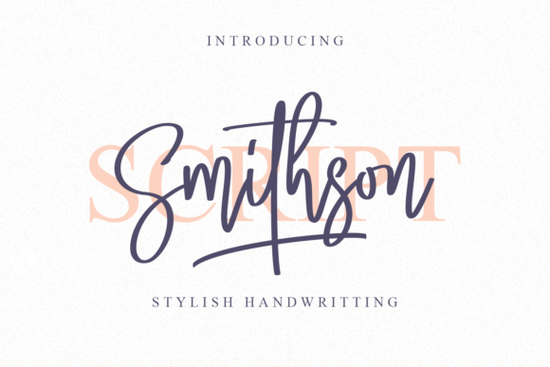
If you're searching for a handwritten font that blends classic calligraphy with a clean, modern look, Smithson Font might be exactly what you need. It's designed to feel both elegant and fresh, making it a solid choice for designers, crafters, and small business owners who want typography that stands out without trying too hard.
What makes Smithson different from other handwritten fonts?
Lots of script fonts lean either fully vintage or fully modern. Smithson sits somewhere in the middle. It keeps the graceful letterforms and flowing connections you'd expect from a calligraphy-inspired typeface, but the proportions and spacing feel current. That balance is harder to find than you'd think.
The font includes a full set of glyphs and swashes, and because it's PUA encoded, you can access those extras without needing special software. That means you can add decorative flourishes, alternate letterforms, and stylistic variations directly from your font menu. For anyone who works with script fonts regularly, that kind of flexibility saves time.
How can you use Smithson in real projects?
Smithson works well for a range of applications. Here are a few places it shines:
- Branding and logos – The handwritten feel adds a personal touch without looking messy. Great for boutique businesses, creative agencies, or personal brands.
- Wedding stationery – Invitations, save-the-dates, and thank-you cards benefit from the calligraphic influence. It's formal enough for tradition but relaxed enough for modern couples.
- Social media graphics – Quotes, announcements, and promotional posts feel more approachable with a handwritten font. Smithson reads well at smaller sizes too.
- Print-on-demand products – T-shirts, mugs, posters, and journals all look better with a font that carries emotion. Smithson adds that handmade quality buyers notice.
- Ebook covers and blog headers – A distinctive script font can make your content stand out in a crowded feed or bookshelf.
If you've worked with other script fonts like Quincy or Overthinker, you'll notice Smithson has a slightly softer, more natural stroke. It doesn't feel digitized or stiff.
Is Smithson beginner-friendly for crafters and small business owners?
Yes. If you're just getting started with typography or design, Smithson is easy to use. The PUA encoding means you don't need to learn advanced software tricks to access the swashes and alternates. You simply install the font, open your design program, and pick the characters you want from the glyph panel.
For print-on-demand sellers, that's a big time-saver. You can create product mockups faster when you're not wrestling with your font. And because Smithson includes both uppercase and lowercase alternates, you can avoid the "samey" look that happens when you use a script font straight out of the box.
What should you look for when choosing a script font for your brand?
Not all script fonts are created equal. Here are a few things to consider when picking one for your projects:
- Legibility – Can people read it quickly? Smithson keeps its letterforms clear even with the decorative touches.
- Versatility – Does it work in both large and small sizes? A good script font should hold up on a poster and a business card.
- Glyph variety – More alternates and swashes mean more customization. You can make each project feel unique.
- PUA encoding – This is a practical feature that makes your workflow smoother, especially if you're not a font expert.
For comparison, fonts like Nothing Over Font and Enchanting Script offer different moods. Nothing Over Font has a more playful, casual feel, while Enchanting Script leans romantic. Smithson sits in a nice middle ground classy but not stiff, modern but not cold.
How do you get started with Smithson Font?
Using Smithson in your next project is straightforward. Download the font, install it on your system, and open your design software. From there, you can access the full character set through the glyph panel. Try pairing the standard letters with a few swashes on the initial or final character to add a handcrafted touch.
If you're designing a logo or a brand mark, test Smithson at different weights and sizes. Sometimes a font behaves differently at scale, so it's worth checking how the swashes look when they're large or reduced.
For print-on-demand products, consider how the font will look on different backgrounds. Smithson's clean lines work well on both light and dark surfaces, but always test a sample before committing to a full run.
Quick tip to start: Open your favorite design tool, type a short word or your brand name, and try three or four different swash combinations. See which one feels right. That five-minute test will tell you more than reading a hundred reviews.
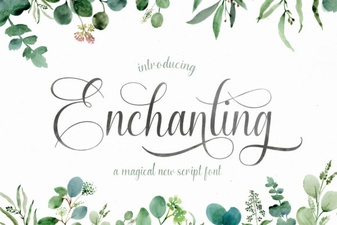 Fonts for Creative & Enchanting Design Projects
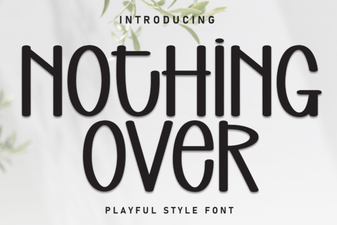 Minimalist Design Without Overusing Fonts
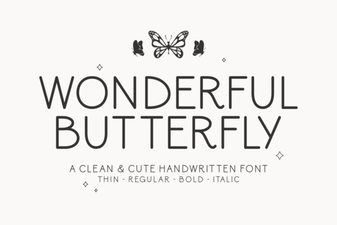 Creative Butterfly Font Design Ideas & Uses
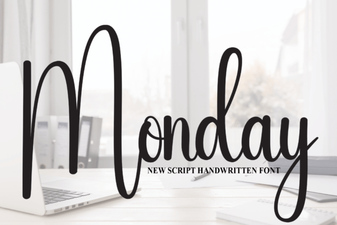 Monday Font: Clean Typography for Creative Workflows
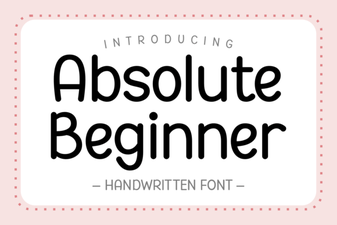 Free Fonts for Your First Design Project
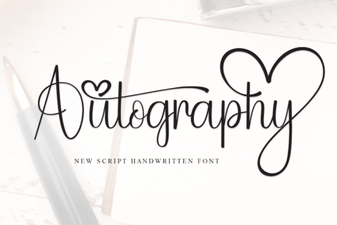 Autography Font for Distinctive Brand Design