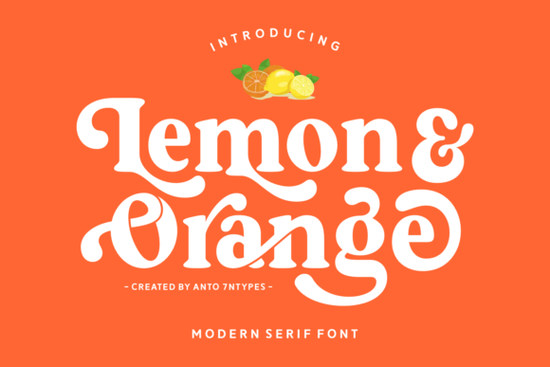
If you’ve ever wanted a typeface that feels both playful and polished, the Lemon and Orange font might be exactly what you’re looking for. This serif font blends the fresh energy of citrus with a touch of romance, making it a versatile pick for everything from birthday cards to book covers.
Can I use this font for wedding invitations?
Absolutely. The Lemon and Orange font includes heart swashes and rose-inspired details that give it a fairy-tale charm. It works well as a wedding font because it keeps a classic, elegant feel while adding a hint of whimsy. The ligatures and alternate characters also let you customize the look, which is handy when you want a unique invitation without hiring a lettering artist.
If you’re planning a summer wedding or a garden-themed event, the citrus-inspired vibe fits right in. Pair it with light, airy colors and simple floral graphics. For a more traditional wedding, try using the regular weight for body text and the bold version for the couple’s names.
What kind of projects does a citrus-inspired typeface suit best?
Because this font has both “display” and “lover font” qualities, it adapts to many creative projects. Here are a few where it really shines:
- Greeting cards – The delicate lines make it perfect for birthday cards, thank-you notes, or “thinking of you” messages.
- Logo design – Small businesses, especially in food, beauty, or lifestyle, can use it as a logo font to convey warmth and approachability.
- T-shirt quotes – The bold version stands out on fabric, and the playful swashes add a handmade feel.
- Packaging – If you’re designing labels for craft lemonade, candles, or bath products, the sunny character of Lemon and Orange fits right in.
- Book covers – Romance novels, children’s books, or cookbooks benefit from its combination of elegance and fun.
It also supports multilingual text, so if your audience is international, you won’t need a separate font for accents or special characters.
How does it compare to other serif fonts?
Many serif fonts are either very formal or very casual. Lemon and Orange sits right in the middle. It has the luxury of a display font – think magazine headlines – but also the friendly feel of a lover font. If you’ve tried the Bright Font, you’ll notice that Lemon and Orange adds more decorative swirls and heart motifs. On the other hand, the Old String Font leans more vintage, while Lemon and Orange feels fresh and contemporary.
Tip: For a cohesive brand, you could use Lemon and Orange for headings and a simpler serif like Bright Font for body copy. The contrast works well without clashing.
Is it easy to customize?
Yes. The font comes with ligatures and alternate forms, so you can change how certain letters connect. For example, you might swap a standard “f” for a swash version, or use a heart-shaped tail on the “y”. This is great if you’re a print-on-demand seller wanting to offer products that look handcrafted. It’s also helpful for small business owners who don’t have a graphic design background – you can open the font in any software that supports OpenType features and experiment.
One thing I like is that the italic style doesn’t just slant the letters; it gives them a more playful curve. So for a project like a birthday card heading, the italic version adds extra energy.
What about readability? Can I use it for long text?
Because it’s a display font, it’s best for short to medium blocks of text. Use it for headlines, quotes, names, or short paragraphs. If you need a full page of text, consider pairing it with a simpler sans serif or a lighter weight serif. The bold style is very readable for short phrases, but the decorative swashes might slow down reading if you use them in every word. Use alternates sparingly for the best effect.
Practical checklist before you download
Before you add Lemon and Orange to your cart, run through this quick list to make sure it’s right for your project:
- Check your software – Does it support OpenType features? Most design tools like Adobe Illustrator, Canva Pro, or Affinity do. Basic text editors may not show alternates.
- Test with your brand colors – The font’s citrus vibe pairs well with pastels, bright yellows, and soft greens. If your brand uses dark, moody colors, consider using it for small decorative text only.
- Look at the letter spacing – Some decorative swashes may need extra space around them. Adjust kerning in your design tool.
- Try a quick mockup – Download the free version (if available) or test it on Creative Fabrica’s preview tool before committing. See how it looks on a T-shirt, label, or wedding invite.
Next step: Open a blank document, type your project title using Lemon and Orange, and toggle through the alternate characters. See which combinations feel most natural. You’ll quickly know if it’s the right fit for your creative work.
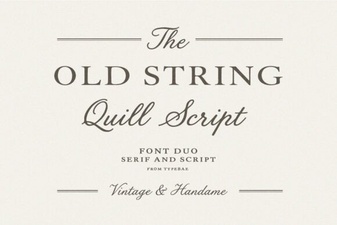 Design Tips for Vintage Typography Projects
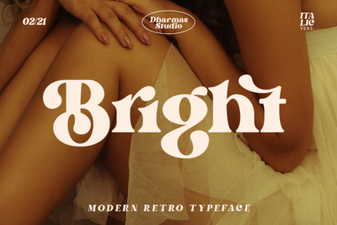 Bright Font Designs for Readable, Beautiful Websites
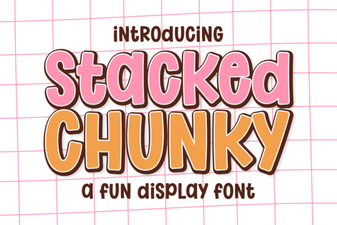 Chunky Font Designs for Creative Projects
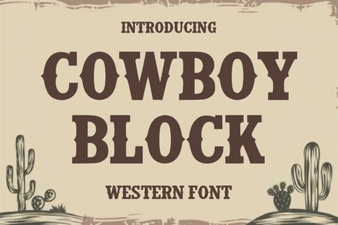 Cowboy Fonts for Rustic Designs & Creative Projects
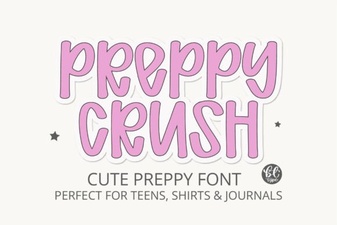 Preppycrush Font: a Fun Retro Design Resource
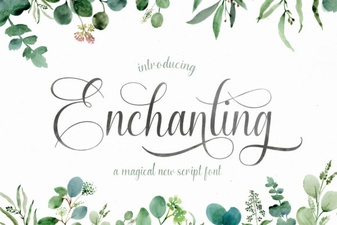 Fonts for Creative & Enchanting Design Projects